A World War 1 Memorial, near Franschhoek, Western Cape, South Africa
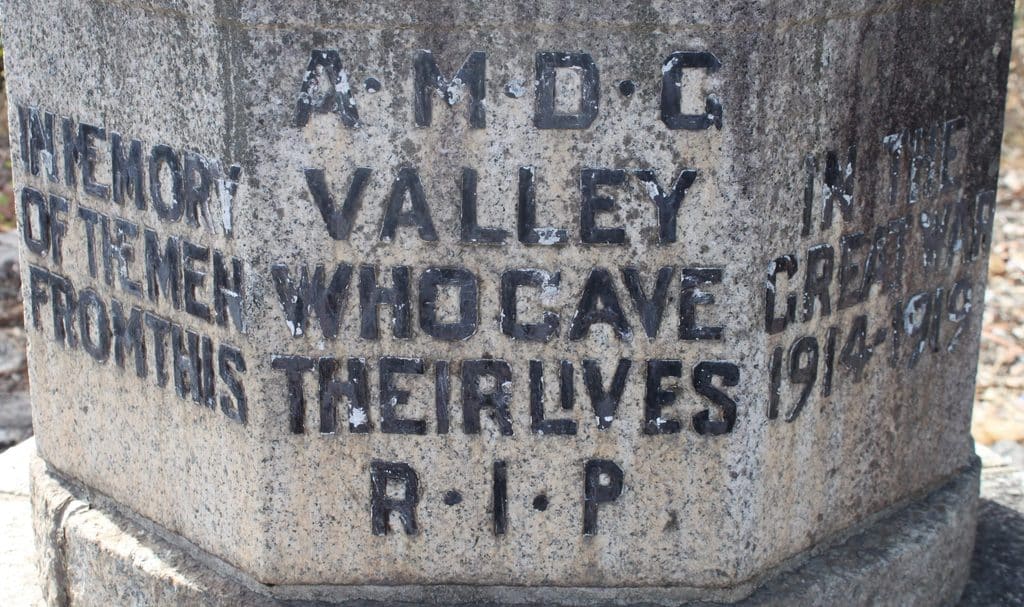
Ad Majorem Dei Gloriam
For The Greater Glory Of God
In Memory of the Men from this Valley who gave their lives in the Great War 1914- 1919
R.I.P
This WW1 Memorial commemorates the sacrifice of just 10 men from the Valley of Groot Drakenstein, Simondium, Wellington, Plasir De Merle, Pickstone Farms and Erin Vale. It is not known why only these 10 are on the memorial but it is believed that the Gray Family (who owned Plasir De Merle from 1943) were very much involved in the memorial and we know that it was built by J. A. Clift of Paarl sometime in the 1920’s. It is also believed that there are strong links with

The Ridge Family and the Bleskop Memorial
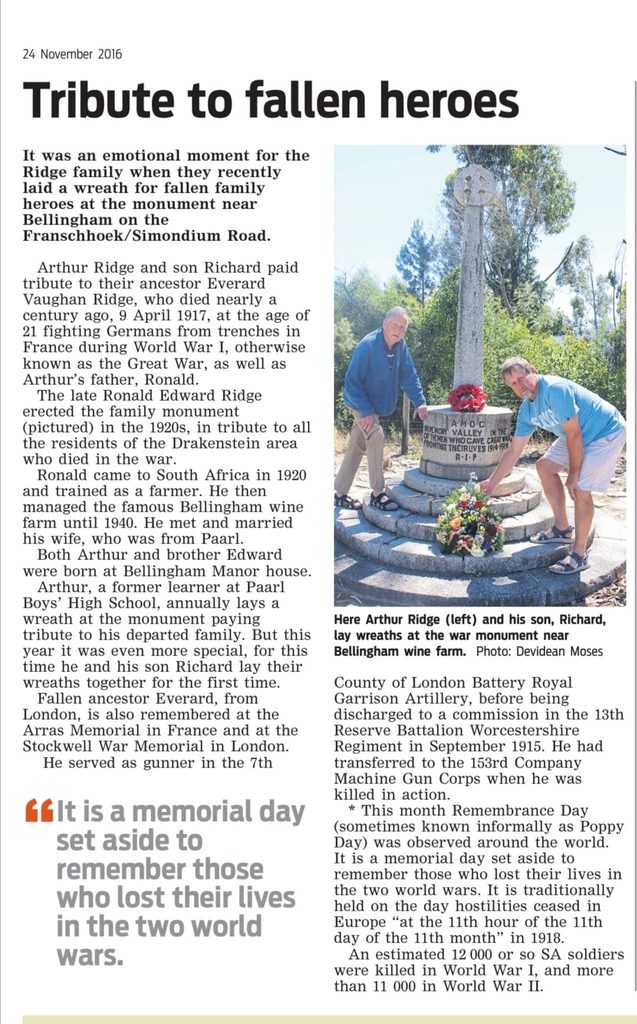
Remembrance Sunday, 2018
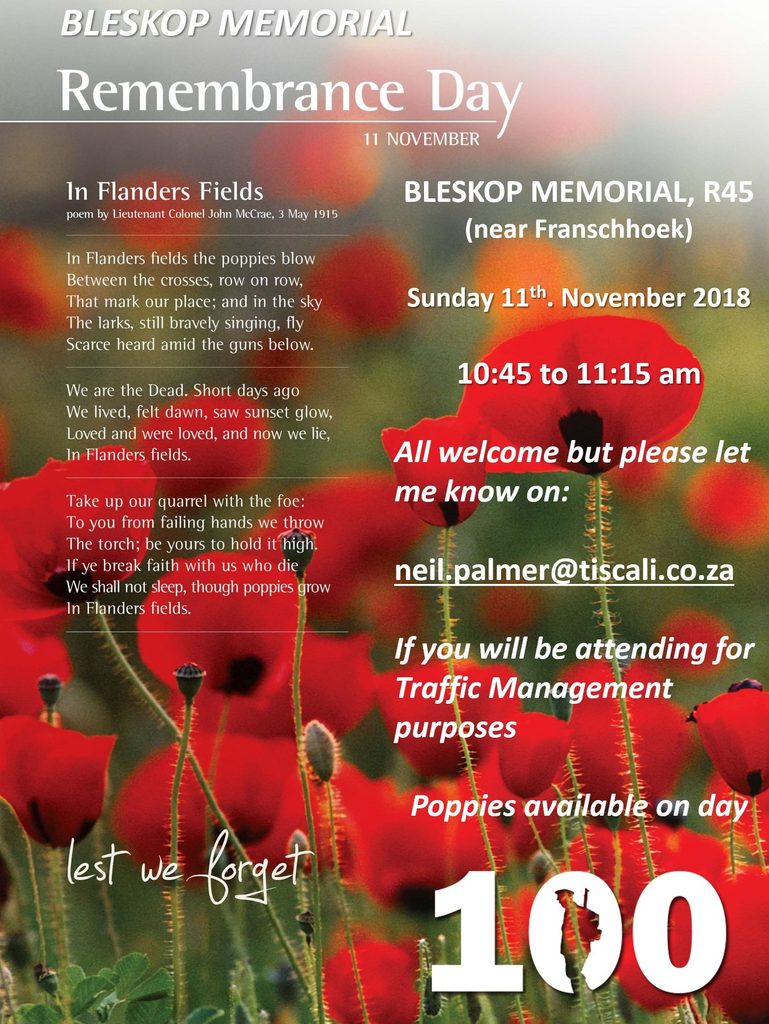
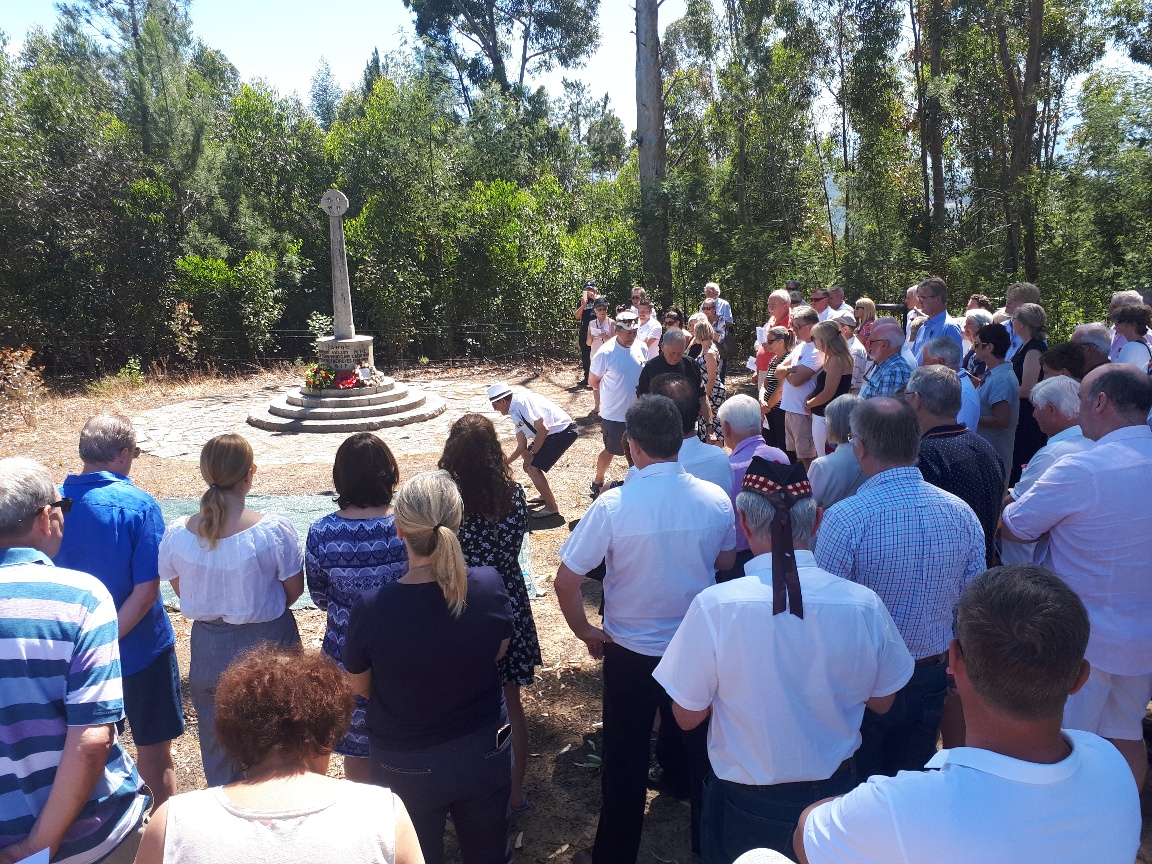
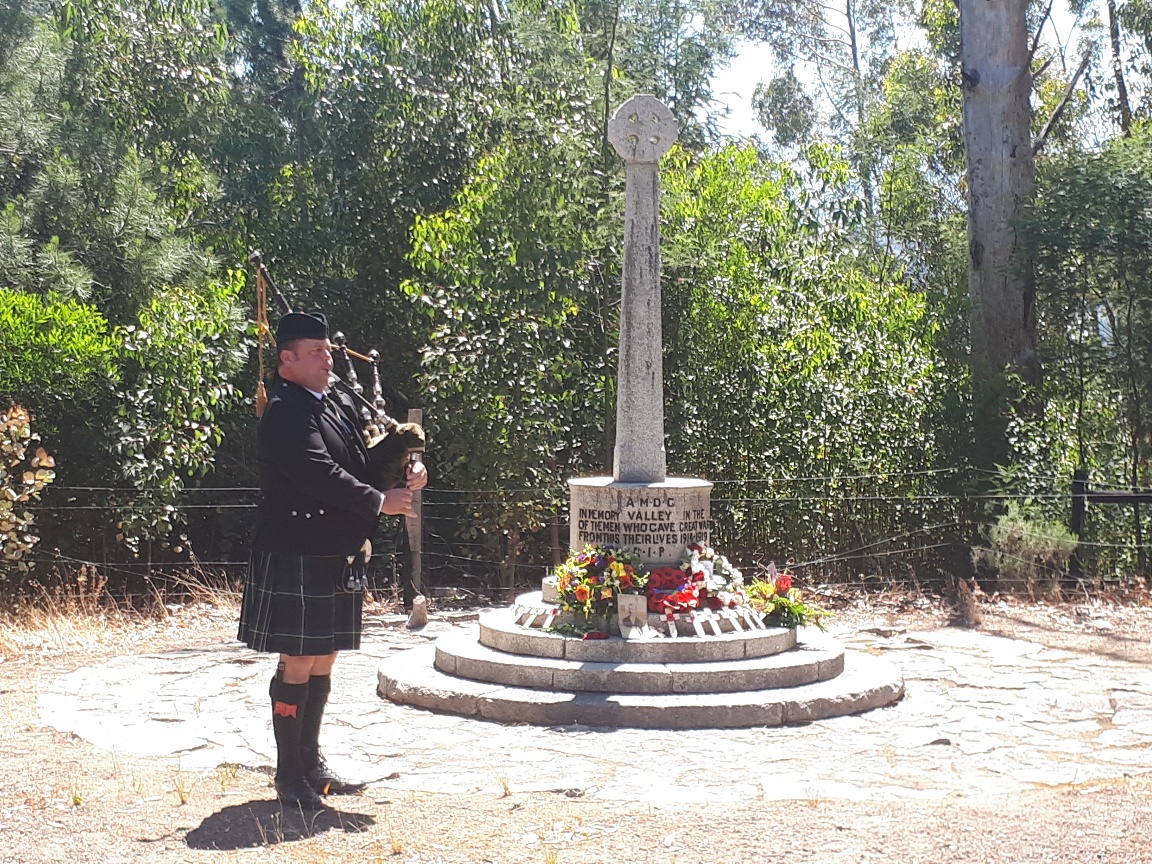
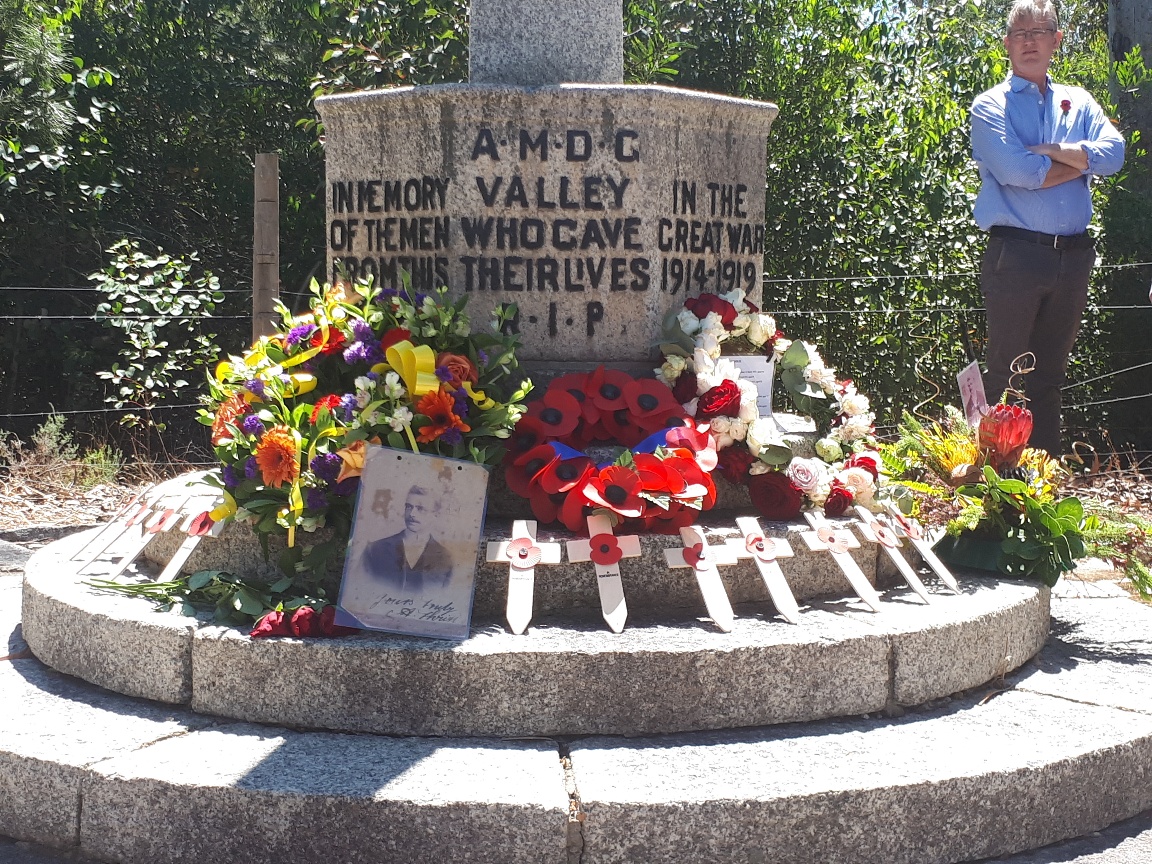
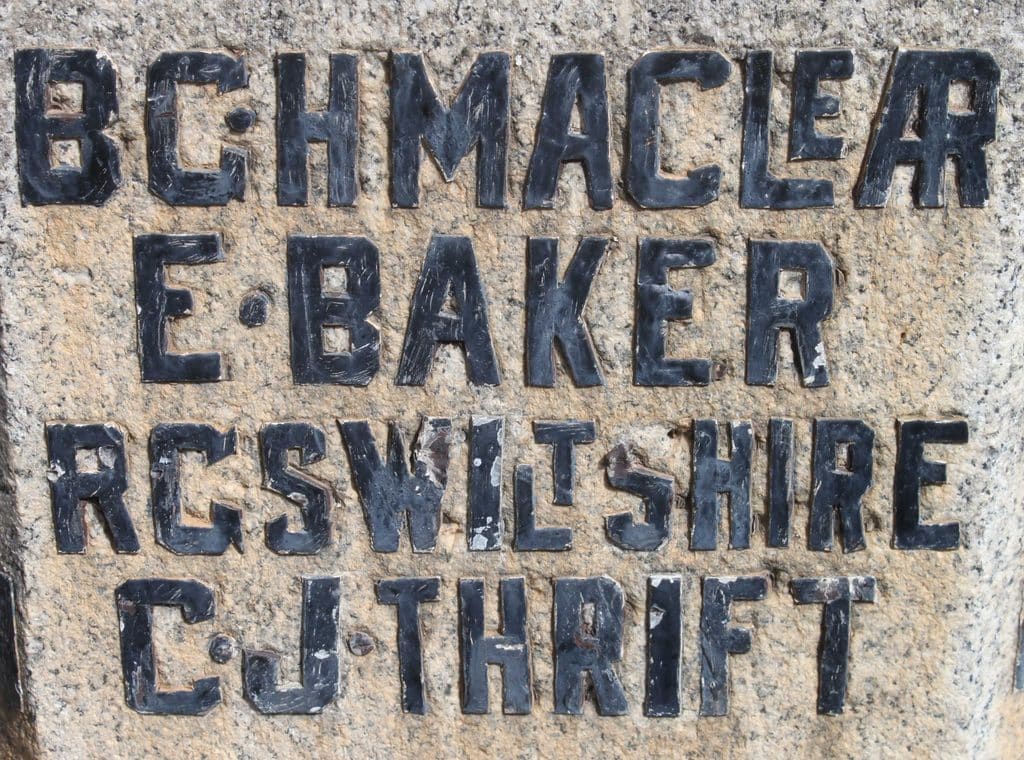
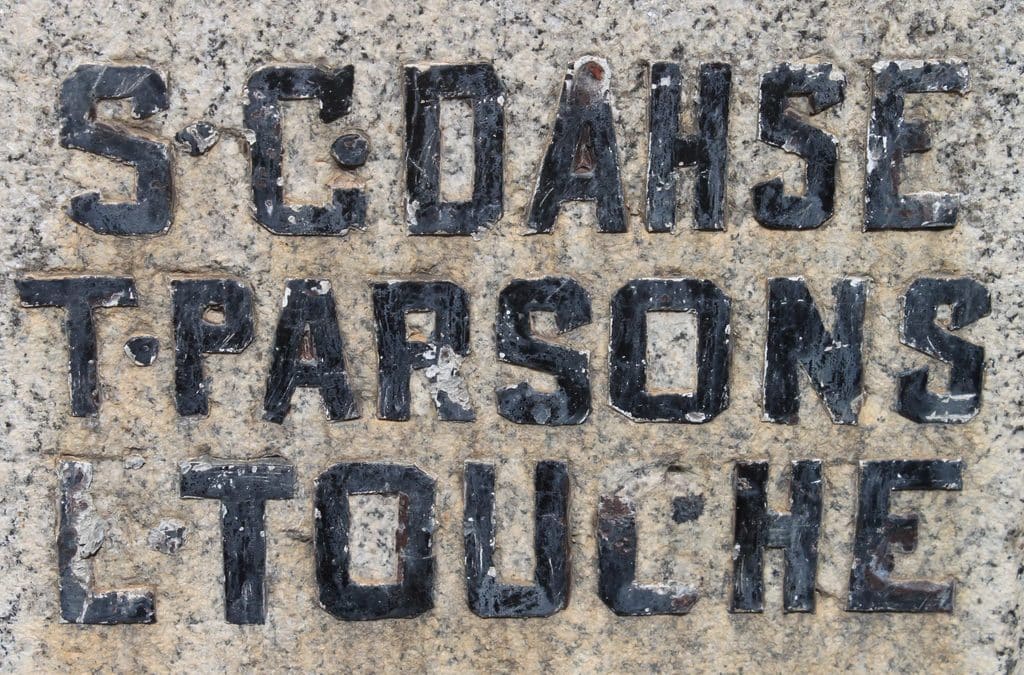
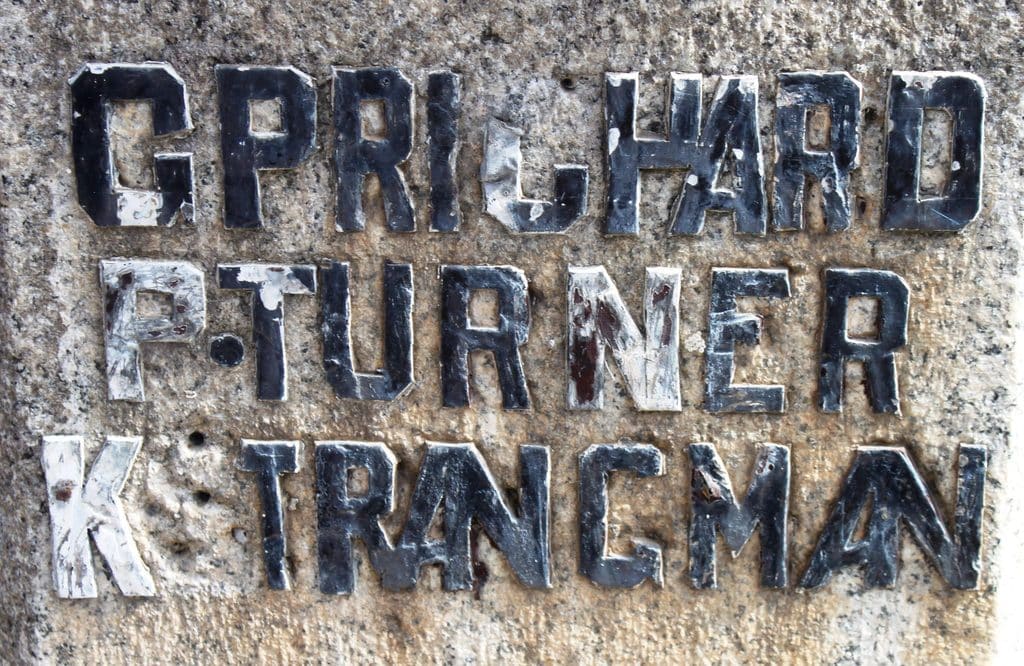
So far, I have been able to identify 7 of the names on the Memorial with a level of certainty:
Lieutenant Cecil Braithwaite Parsons, 1st. Regiment South African Infantry
2nd. Lieutenant Basil George Hope Maclear MC, Grenadier Guards
2nd. Lieutenant Eric Percy Johnstone Touche, 1st. Regiment South African Infantry, Essex Regt, RAF
Trooper Eric Victor Baker, 7th. South Africa Horse
Rifleman Kingsley Louis Strangman, Kings Royal Rifle Corps (Rhodesian Platoon)
Private Albert John Thrift, Essex Regiment
Gunner Stephen Geffrey Dahse, South African Field Artillery
I am struggling to identify the final 3, there are ones who could be them but with no clear link to South Africa there is no way of being certain:
R G S Wiltshire
P Turner
G Prichard
It is possible, as with A J Thrift, that the initials may not be correct on the Memorial. It is known that the Memorial, see older photos, stood on higher ground than it does today.
The Road was rebuilt in the 1960’s and in the 1980’s the Memorial was taken down and refurbished (possibly for the WW1 70th. Anniversary).


The Cape Town origin of the 2 Minutes Silence, 1918
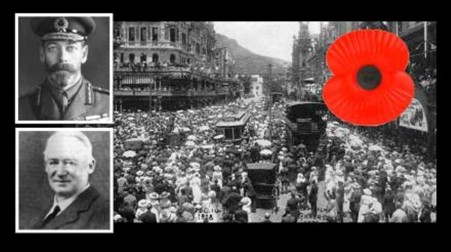
The end of Word War 1 – Armistice Day 11/11/11
At 05.30 in the morning of 11 November 1918 the Germans signed the Armistice Agreement in a remote railway siding in the heart of the forest of Compiègne. Soon wires were humming with the message : ‘Hostilities will cease at 11.00 today November 11th. Troops will stand fast on the line reached at that hour…’.
Thus, at 11.00 on 11 November 1918 the guns on the Western Front in France and Flanders fell silent after more than four years of continuous warfare, warfare that had witnessed the most horrific casualties.
World War One (then known as the Great War) had ended.
The Two Minutes silence to remember all who paid the supreme sacrifice was a result of this expression… and it all began in Cape Town, South Africa.
Cape Town’s unique remembrance during WW1
When the first casualty lists recording the horrific loss of life in the Battles of the Somme were announced in Cape Town, Mr JA Eagar, a Cape Town businessman, suggested that the congregation of the church he attended observe a special silent pause to remember those in the South African casualty list.
It was the church also attended by Sir Percy Fitzpatrick the famous South African author of “Jock of the Bushveld”.
The pause would follow the firing of the Noon Gun (a tradition instituted in 1902 and fired everyday at 12:00 from Signal Hill), simply put the gun was the most audible signal with which to co-ordinate the event across the city of Cape Town.
The boom of the gun signalling the midday pause of three minutes was heard for the first time on 14 May 1918. It became the signal for all activity in the Mother City to come to a halt.
Everything came to a dead stop while everyone bowed their heads in silent prayer for those in the trenches in Flanders.
It started when it became the official two minute ‘pause’ throughout Britain and the British Commonwealth from 11 November 1919, and here is how that came about, and once again – surprise – we have a South African from Cape Town right at the centre of it.